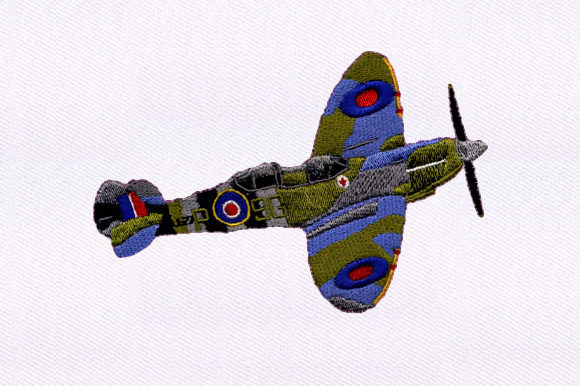
Army Fighter Plane: A Designer’s Review for Stitched Projects
When I first loaded the Army Fighter Plane design into my embroidery software, I wasn’t just looking at a graphic; I was evaluating a potential bestseller for my shop. As an experienced designer, I know that a compelling theme is only half the battle. The real test lies in how the digital file translates to thread, how it behaves on different textiles, and whether it holds up under the scrutiny of a paying customer. This review breaks down the practical realities of using this military-themed machine embroidery design in real-world craft business scenarios.
First Impressions and Visual Personality
The immediate mood of the Army Fighter Plane is bold and authoritative. It captures the sleek, aggressive lines of modern aviation without becoming overly cluttered. For embroidery designers, this balance is crucial. Designs that are too detailed often turn into muddy blobs of thread once stitched out, while those that are too simple can look amateurish. This design strikes a middle ground, offering enough structural detail to be recognizable as a fighter jet while maintaining clean outlines that stitch out crisply.
The visual personality suggests durability and strength. It isn’t whimsical or soft, which means it naturally gravitates toward specific product categories. You won’t see this on a delicate lace handkerchief, but it fits perfectly on rugged canvas, sturdy denim, or thick cotton blends. The layout appears centered and balanced, which simplifies the hooping process and reduces the risk of distortion during stitching.
Real-World Application: The Custom Tote Bag Test
To truly evaluate any embroidery file, you have to imagine it on a finished product. I recently considered this design for a custom order involving heavy-duty canvas tote bags. The client wanted a gift for a veteran, something subtle yet proud. The Army Fighter Plane was an ideal candidate. On a natural beige canvas, I envisioned using dark navy or olive green thread colors to create a tonal, sophisticated look rather than a loud, cartoonish one.
However, the choice of fabric texture matters immensely. Canvas has a weave that can sometimes swallow fine details. Because this design relies on strong shapes rather than microscopic intricacies, it performs well here. The fill stitch areas would provide solid coverage, hiding the fabric weave, while the running stitch outlines would define the plane’s silhouette clearly. This kind of thoughtful application turns a simple digital embroidery file into a high-value handmade product.
Versatility Across Product Lines
Beyond tote bags, this design shows promise in several other areas for Etsy sellers and small shop owners:
- Sweatshirt Embroidery: Placed on the left chest or as a larger back piece, the design adds a streetwear edge to hoodies. The density must be managed to prevent puckering on fleece.
- Embroidered Patch Creation: This is perhaps the strongest use case. Fighter planes look iconic on patches. Using a satin stitch border around the design would give it a professional, merchandise-ready finish.
- Custom Apparel for Kids: While the theme is military, it appeals to children who love aviation. On a durable cotton t-shirt, it makes for a great birthday gift, provided the stitch density is adjusted for comfort against sensitive skin.
- Nursery Decor: For a themed room, this could be stitched onto a pillow cover or a wall hanging, paired with neutral tones to keep the aesthetic modern rather than aggressive.
Technical Considerations and Stitching Challenges
No design is perfect for every situation. When working with the Army Fighter Plane, there are specific technical hurdles to anticipate. The primary concern is stitch density. Military hardware designs often feature large solid areas. If the digitizer has packed too many stitches into these fill regions, the fabric may pucker, especially on lighter materials like standard t-shirt jersey.
I always recommend testing the design on scrap fabric first. Use the same stabilizer you plan to use for the final project. For stretchy fabrics, a cut-away stabilizer is non-negotiable to maintain shape integrity. For woven fabrics like twill or denim, a tear-away might suffice, but a light cut-away ensures longevity after washing.
Another critical factor is hoop size. Before purchasing or downloading, confirm that the design fits within your machine’s maximum hoop dimensions. While the file formats listed—such as DST, PES, JEF, and EXP—suggest broad compatibility, the physical size of the design dictates where it can go. A large fighter plane design will not fit on a standard cap without significant resizing, which can distort the aspect ratio and ruin the visual appeal.
Fabric and Thread Color Strategy
Color contrast can make or break this design. On dark fabric, such as black or navy blue, using metallic gold or silver thread can highlight the contours of the plane, giving it a premium, commemorative feel. Conversely, on light fabric, traditional military greens, grays, and blues work best. Avoid using too many color changes if you are producing these in bulk for a craft business, as each stop increases production time and the risk of thread breaks.
Be cautious with textured fabrics like terry cloth towels. The loops can obscure fine running stitches. If you plan to use this as holiday embroidery on kitchen towels, ensure the design is scaled up slightly so the details remain visible above the fabric pile.
Commercial Viability and Brand Consistency
For commercial embroidery projects, consistency is key. The Army Fighter Plane offers a recognizable symbol that can help build brand identity for shops specializing in patriotic or military-inspired goods. Customers trust designs that look professional and clean. A sloppy stitch-out damages that trust instantly.
When creating printable mockups for your online store, use high-resolution images of the stitched design rather than just the digital preview. Show the texture of the thread. This transparency helps manage customer expectations and reduces return rates. Whether you are selling the finished product or the digital embroidery file itself, clarity about the design’s limitations and strengths is essential.
Final Designer Notes
Before committing to a large production run or listing this as a top seller, take these practical steps:
- Check the License: Ensure the license terms allow for commercial use if you plan to sell finished items. Some designers restrict the number of units you can produce.
- Inspect Small Details: Zoom in on the digital file. Are there tiny elements that might break off during washing? If so, consider simplifying or removing them.
- Test Washability: Stitch a sample, wash it, and dry it. Check for thread shrinkage or fabric distortion. This step is vital for baby embroidery or items that will see frequent use.
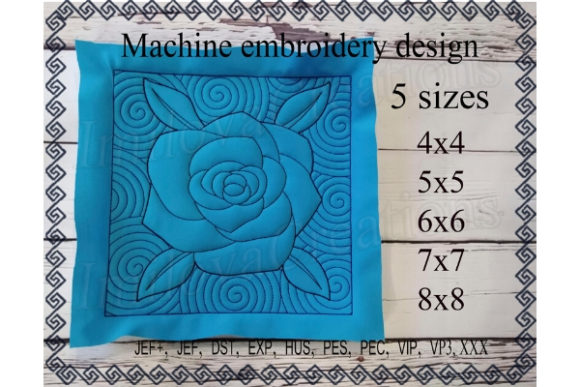
- Verify File Formats: The design comes in multiple formats including VIP, VP3, HUS, and XXX. Ensure you select the correct format for your specific machine model to avoid conversion errors that can alter stitch paths.
In conclusion, the Army Fighter Plane is a robust addition to any designer’s library. It is not just a graphic; it is a versatile asset that, when handled with technical care, can elevate handmade products from simple crafts to professional-grade merchandise. By respecting the material constraints and focusing on clean execution, you can create items that resonate with customers and stand the test of time.