Koi Embroidery Design Review for Small Business Merch
As an embroidery designer who has spent years digitizing and reviewing files for commercial use, I approach every new machine embroidery design with a critical eye. It is not just about whether the image looks pretty on a screen; it is about how that design translates to fabric, how it holds up in the wash, and most importantly, how it serves the brand identity of the small business owner using it. Today, I am reviewing Koi, a digitized file categorized under Fish and intended for Embroidery applications. This review is tailored for apparel decorators, Etsy sellers, handmade brands, and product designers looking to elevate their custom apparel and merchandise.
First Impressions: Visual Personality and Brand Fit
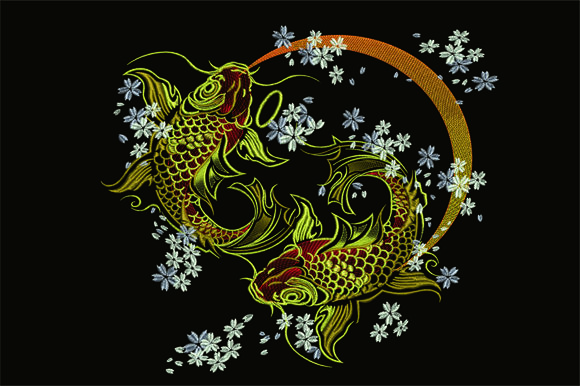
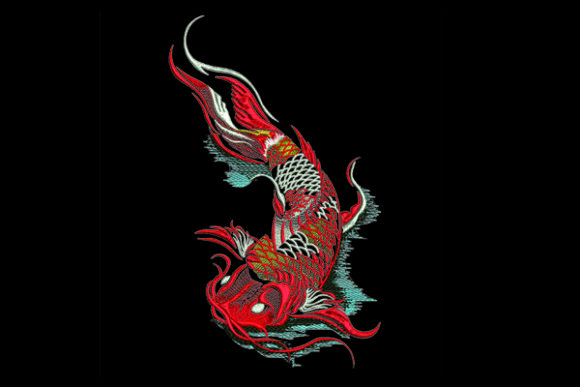
The title Koi immediately evokes specific associations: tranquility, resilience, elegance, and a touch of Eastern artistic tradition. When reviewing the description—"Koi digitizing for your jacket. Your jacket will look amazing"—the promise is bold. For a small business, visual consistency is key. Does this design feel professional? Based on the subject matter, Koi leans towards an aesthetic that is both decorative and symbolic. It can feel premium and elegant if digitized with smooth satin stitches, or playful and rustic if it utilizes more textured fill stitches.
For boutique owners, florists, or creative studios, this design offers a friendly yet sophisticated vibe. It is not corporate or rigid; instead, it feels organic. This makes it an excellent candidate for brands that want to project a sense of calm, natural beauty, or artistic flair. If you are running a bakery, a pet brand, or a local wellness shop, Koi can serve as a distinctive mark that separates your small business merch from generic, mass-produced items.
Real-World Applications for Commercial Embroidery
The versatility of a design is its greatest asset in a commercial setting. The product description suggests stitching it on the front or back of a jacket, or on a bag. Let us expand on that for real business scenarios.
- Embroidered Patches: This is perhaps the most profitable application. A well-digitized Koi can be turned into iron-on or sew-on patches. These are perfect for customer gifts, event merch, or add-ons for existing products. Patches allow customers to customize their own gear, increasing engagement with your brand.
- Staff Uniforms and Aprons: For cafes and boutiques, apron embroidery adds a layer of professionalism. Placing a smaller version of the Koi design on the chest pocket of an apron creates a subtle, high-end look. It signals attention to detail without overwhelming the staff member’s appearance.
- Cap Embroidery: Caps are a staple of streetwear and casual branding. However, the curved surface of a cap requires careful digitizing. If the Koi design has intricate details, it must be simplified for the small, curved area of a cap front to ensure clarity.
- Tote Bag Design: Tote bags are walking billboards. A larger version of the Koi design on a canvas tote can serve as a primary graphic. This works exceptionally well for bookstores, florists, or eco-friendly brands where the natural theme of the fish aligns with the company values.
Technical Considerations and Production Challenges
While the aesthetic appeal is strong, we must address the technical realities of production. The description states, "Your jacket will look amazing," but achieving that result depends on several factors that the buyer must verify before purchasing the digital embroidery file.
First, consider stitch density. Koi fish often have scales and flowing fins. If the digitizer has used too many stitches in a small area, the fabric may pucker, especially on lighter materials like t-shirts or thin tote bags. Conversely, if the density is too low, the backing fabric might show through, ruining the finished product. Always request a test stitch-out on the actual fabric you intend to use.
Second, think about thread colors and contrast. Koi are typically orange, white, and black. If you are embroidering on dark uniforms, you need to ensure the design includes proper underlay stitches to prevent the garment color from bleeding through. A printable mockup can help visualize this, but nothing replaces a physical test on dark fabric.
Third, evaluate the size constraints. The description mentions using it for decoration, but does not specify minimum dimensions. For small patch sizes or tiny lettering accompaniments, fine details may get lost. If you plan to use this as a small chest logo accent, ensure the design remains recognizable at 2–3 inches wide. Complex outlines can merge together when scaled down, so check the spacing between elements.
Enhancing Brand Identity and Customer Trust
Why invest in a quality design like Koi? Because it directly impacts perceived value. When a customer receives a jacket or tote bag with crisp, clean embroidery, they associate that quality with your brand. It builds trust. A sloppy or poorly digitized design can make a handmade product look amateurish, whereas a professional embroidered patch or chest emblem signals that you care about quality control.
For Etsy sellers and crafters, offering unique designs like Koi helps differentiate your shop. It moves your offerings beyond basic text logos into the realm of art. This can justify higher price points and encourage repeat buyers who appreciate the artistic merit of your custom apparel.
Practical Designer Notes for Implementation
Before you load this file into your machine for a large production run, follow these steps to ensure success:
- Test in Black and White First: Stitch out the design using only black thread on white fabric. This reveals the structure and density issues without the distraction of color. If it looks messy in monochrome, it will look messy in color.
- Check Hoop Size Compatibility: Confirm that the design fits within your standard hoop sizes. If you primarily use 4x4 hoops for caps and patches, ensure the Koi design is available in a size that fits without excessive resizing, which can distort stitch angles.
- Use Proper Stabilizer: The choice of stabilizer is crucial. For jackets, a cut-away stabilizer is often best to support the weight of the embroidery. For tote bags, a tear-away might suffice, but test for stability during washing.
- Verify Commercial Licensing: The description mentions gifting and decoration, but for business use, you must confirm the license terms. Ensure the design assets come with a commercial use license that allows you to sell physical products featuring the design.
- Create Client Mockups: If you are doing this for a client, create a digital mockup showing the Koi design on their specific garment. This manages expectations and ensures the placement (front, back, or sleeve) meets their vision.
In conclusion, Koi presents a compelling option for businesses looking to add an element of natural elegance to their merchandise. Whether used for commercial embroidery on staff uniforms or as a decorative element on consumer goods, its success lies in proper technical execution. By paying attention to stitch density, fabric texture, and placement, you can transform this digital file into a tangible asset that enhances your brand identity and delights your customers. Always prioritize quality testing to ensure that your final product truly looks amazing, just as the description promises.