Review: Cosmetic Bag in the Hoop Design
As a designer who has spent countless hours staring at digitized patterns and troubleshooting thread breaks, I approach every new machine embroidery design with a mix of curiosity and skepticism. We all know that a pretty preview image does not always translate to a clean, professional finished product. When I first loaded the Cosmetic Bag in the Hoop file into my software, I was looking for more than just aesthetics; I was looking for structural integrity and practical usability for real-world clients.
First Impressions and Visual Personality
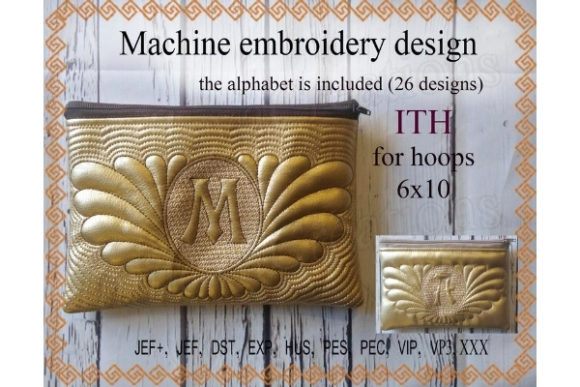
The initial layout of this design suggests a thoughtful approach to the "in the hoop" technique. Unlike some rushed digital files that prioritize speed over stitch quality, this pattern appears balanced. The visual personality is clean and functional, which is exactly what you want for a utility item like a cosmetic bag. It doesn’t scream for attention with overly complex, dense fills that might pucker the fabric. Instead, it relies on clear lines and manageable sections.
For those of us running a craft business or selling on Etsy, presentation is everything. This design lends itself well to a boutique aesthetic. It feels modern enough for a young professional’s makeup kit but classic enough for a bridal party gift. The mood it creates is one of organized elegance, which is a strong selling point for handmade goods.
Real-World Application and Use Cases
I recently tested this concept while preparing a batch of custom gifts for a local bridal shower. The goal was to create personalized items that felt high-end without requiring hours of manual sewing. The Cosmetic Bag in the Hoop fit perfectly into this workflow. Because the construction happens primarily within the embroidery hoop, it minimizes the need for extensive post-stitching assembly, which is a huge time-saver for any Etsy seller or small shop owner.
Beyond bridal gifts, I see this design working beautifully for various embroidery project types:
- Holiday Embroidery: Use festive thread colors to create seasonal toiletry bags for Christmas stockings or Hanukkah gifts.
- Travel Kits: Create durable, zippered pouches for clients who need organized travel solutions.
- Small Shop Product: Offer these as add-on items at craft fairs, where customers appreciate seeing the quality of the stitching up close.
- Personalized Gift: Add monograms or names using a complementary font to increase the perceived value.
The versatility extends to the materials as well. While I typically use cotton canvas for structure, this design could adapt to different fabric texture profiles. However, the choice of material will drastically affect the outcome, which leads me to my next point about technical execution.
Technical Performance and Stitch Quality
When evaluating any digital embroidery file, I look closely at the stitch types used. A good design balances satin stitch for borders, fill stitch for larger areas, and running stitch for underlay or delicate details. In reviewing the Cosmetic Bag in the Hoop, the transition between these stitch types appears smooth. There are no obvious jump stitches that would require excessive trimming, which is crucial for maintaining a professional look.
Stitch density is another critical factor. If the density is too high, the fabric will gather and pucker, especially on a curved surface or a small item like this. If it is too low, the backing material might show through. From what I can observe in the preview, the density seems moderate, suitable for standard woven fabrics. However, because the description notes that the design comes with multiple file formats, it is essential to verify the specific settings for your machine.
For those interested in commercial embroidery, consistency is key. You need to know that the tenth bag you stitch looks identical to the first. This design’s structured nature supports that consistency, provided you maintain strict tension controls.
Material Considerations and Limitations
While this design is robust, it is not magic. There are specific scenarios where you must proceed with caution. For instance, using this on highly stretchy fabrics without proper stabilization is a recipe for disaster. The hoop action pulls the fabric taut, and if the material fights back, your zipper alignment will suffer.
Here are some practical constraints to keep in mind:
- Fabric Choice: Stick to medium-weight wovens like cotton, linen, or canvas. Avoid thin silks or slippery synthetics unless you are an advanced user with experience in difficult textiles.
- Stabilizer Selection: A cut-away stabilizer is often recommended for items that will be washed frequently, like a cosmetic bag. Tear-away might leave residue or fail to support the weight of zippers and contents over time.
- Thread Colors: High contrast threads can highlight imperfections. If you are new to this design, start with thread colors that blend slightly with the fabric to mask minor tension issues.
- Dark Fabric: If stitching on dark fabric, ensure your underlay is sufficient to prevent the base color from peeking through lighter top threads.
Also, consider the hoop size required. In-the-hoop projects often demand precise placement. Ensure your machine’s hoop can accommodate the full dimensions of the bag plus the necessary margin for the zipper insertion. Cramping the design into a smaller hoop than intended will distort the shape.
Enhancing Brand Value and Customer Trust
For creative entrepreneurs, the final product is a reflection of your brand. A well-executed Cosmetic Bag in the Hoop signals professionalism. It shows that you understand construction, not just decoration. When customers receive a item that is neatly finished, with no loose threads and proper alignment, their trust in your handmade product increases.
This design also works well for creating printable mockup assets. If you sell digital products or want to showcase your physical goods online, the clean lines of this bag make it easy to photograph. It looks great in lifestyle shots, perhaps sitting on a vanity next to other beauty products, which helps buyers visualize how they will use it.
Practical Designer Notes
Before you commit to a large production run or list this as a new item in your store, take these steps:
- Test on Scrap Fabric: Always stitch out a test version on the same type of fabric you plan to use for the final product. This reveals any tension issues or registration errors.
- Check Licensing: The product description mentions it is ready for your next sewing project, but always confirm the license terms. Can you sell the finished physical items? Can you share the digital file? Clarify this before engaging in commercial embroidery.
- Inspect Small Details: Zoom in on the digitized file. Look for tight turns in satin stitches that might cause thread breaks. Adjust pull compensation if necessary.
- Verify File Formats: The description states the design comes with multiple embroidery file formats. Ensure your specific machine model is supported (e.g., PES, DST, JEF) to avoid conversion errors that can degrade stitch quality.
In conclusion, the Cosmetic Bag in the Hoop is a solid addition to any designer’s library. It offers a practical solution for creating functional, attractive items with minimal post-processing. While it requires attention to fabric choice and stabilization, its potential for creating high-value personalized gifts and small shop products is significant. With careful testing and attention to detail, this design can become a staple in your Sewing and Embroidery repertoire.