Reviewing Happy Little Dragon for Boutique Apparel
As an embroidery designer who has spent years digitizing and stitching for boutique brands, I approach every new machine embroidery design with a critical eye. It is not just about whether the image looks cute on a screen; it is about how that design translates to fabric, how it holds up after washing, and whether it adds genuine value to a custom apparel line. Recently, I explored the Happy Little Dragon file available on Creative Fabrica, specifically evaluating its potential for a upcoming sweatshirt and hoodie collection. For those of us running small clothing brands or Etsy shops, finding the right balance between whimsical charm and professional finish is essential.
Visual Personality and Stitching Mood
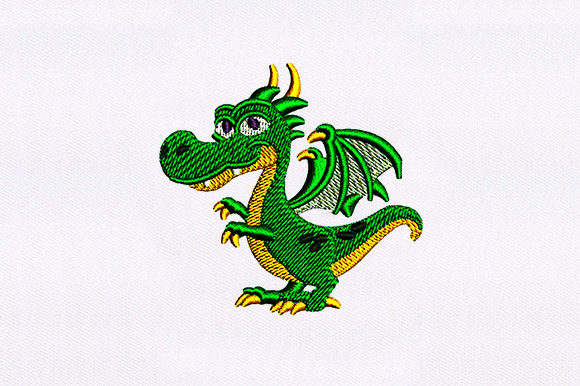
The first impression of Happy Little Dragon is one of playful warmth. In the realm of Fairy Tales and fantasy-inspired Embroidery, this design avoids the overly complex, dense shading that often plagues digital files. Instead, it offers a clean, approachable aesthetic that feels both trendy and timeless. The visual personality is distinctly cute without being childish, making it versatile for a wide demographic. When I visualize this on a garment, I see a design that bridges the gap between bold statement pieces and subtle, cozy accents.
The stitching mood suggests a premium yet casual vibe. It does not scream for attention with excessive satin stitches that might pucker lightweight fabrics. Rather, it appears to rely on balanced fill stitches and clean outlines. This decorative strength is crucial for boutique merchandise where the perceived quality of the stitch work directly influences buyer trust. A design that looks messy on a dark garment or loses detail on fleece can damage a brand’s reputation, so the clarity of this dragon motif is a significant advantage.
Performance Across Apparel Categories
When planning a collection, versatility is key. I tested the concept of Happy Little Dragon across various apparel types in my mind, considering how the design interacts with different textures and cuts.
- Sweatshirt Embroidery: On neutral sweatshirts, such as heather grey or oatmeal, the dragon provides a lovely focal point. The texture of the fleece complements the soft curves of the design, creating a cozy, high-end look.
- Hoodie Design: For pastel hoodies, this design shines. Placing it on the left chest creates a classic, branded feel. The contrast between the soft pastel fabric and the vibrant thread colors can make the dragon pop without looking garish.
- T-Shirt Embroidery: While t-shirts are trickier due to thinner fabric, this design’s moderate density makes it a candidate for high-quality jersey knits, provided proper stabilization is used.
- Tote Bag Design: Canvas totes benefit from bold, simple shapes. The dragon’s silhouette works well here, offering a durable and charming accessory that appeals to the handmade product market.
- Denim Jackets: A back design on a denim jacket allows for a larger scale application. The sturdy nature of denim supports heavier stitch counts, allowing the details of the dragon to stand out sharply against the rugged texture.
For Etsy sellers and creative entrepreneurs, these applications open up multiple revenue streams. You are not limited to one product type. The same digital embroidery file can generate income through sweatshirts, accessories, and home decor, maximizing the return on investment for the design purchase.
Strategic Placement and Fabric Considerations
While Happy Little Dragon is visually appealing, successful execution requires technical precision. Where you place the design matters immensely. Small chest placement is the safest bet for hoodies and sweatshirts, ensuring the design remains proportional to the garment size. However, if you aim for a sleeve accent or a larger back design, you must consider the curvature of the fabric.
Stretchy fabric and ribbed areas pose challenges. Embroidering directly over ribs or highly elastic zones can lead to distortion. I recommend avoiding these areas unless you have extensive experience with stabilizing stretch materials. For dark garments, thread color contrast is vital. A dark navy hoodie might require lighter, brighter threads to ensure the dragon is visible, whereas a white tee might need deeper tones to prevent the design from washing out in photos.
Fabric texture also plays a role. Fleece can swallow small details, so it is important to check the stitch density of the file. If the design has tiny lettering or intricate scales, they may get lost in the pile of high-loft fleece. Always review the embroidery file details to ensure the complexity matches your chosen material.
Enhancing Brand Identity and Value
Incorporating a character like Happy Little Dragon into your lineup does more than just decorate a shirt; it builds brand identity. Consistent use of themed designs helps customers recognize your style. Whether your brand is known for whimsical fantasy or cozy minimalism, this design reinforces that narrative. Professional presentation is enhanced when the embroidery is crisp and well-centered, leading to higher customer engagement and positive reviews.
For commercial embroidery products, the perceived value increases with unique, high-quality designs. Buyers are willing to pay more for items that feature exclusive or carefully selected artwork rather than generic clipart. This design, with its friendly and inviting nature, encourages emotional connection, which is a powerful driver in the handmade and boutique sectors.
Practical Designer Notes for Production
Before launching any product featuring Happy Little Dragon, there are several practical steps every embroiderer should take. First, always test on scrap fabric that matches your production material. Do not assume that a design that looks good on cotton will look the same on polyester fleece.
- Check Stabilizer Choice: Use a cut-away stabilizer for stretchy garments like hoodies to prevent puckering over time. For woven totes, a tear-away might suffice.
- Review Thread Color Contrast: Create a color map before stitching. Ensure your thread choices provide enough contrast against the garment color for visibility in both real life and printable mockup images.
- Confirm Hoop Size: Verify that the design fits within your machine’s hoop capabilities. While the file formats are extensive, the physical dimensions must match your equipment.
- Inspect Stitch Density: Look at the stitch count and density in your embroidery software. High density on thin fabric can cause holes or stiffness.
- Verify Licensing: Always check the Creative Fabrica product details and licensing terms. Ensure you are compliant with commercial use rights before selling finished apparel.
The product description lists a wide variety of embroidery file formats including DST, PES, JEF, and EXP, among others. This broad compatibility is excellent for users with different machine brands. However, do not invent stitch count or specific hoop size requirements if they are not explicitly stated in the product listing. It is always safer to confirm those details in the software preview before production begins.
Final Thoughts for Creative Entrepreneurs
Happy Little Dragon represents a solid choice for decorators looking to add a touch of fantasy to their boutique brand. Its adaptability across sweatshirts, hoodies, and accessories makes it a versatile asset for any small shop product line. By paying attention to placement, stabilization, and thread selection, you can transform this digital file into a high-quality finished product that resonates with customers. As you build your collection, remember that the success of the design lies not just in the art, but in the craftsmanship of its application.