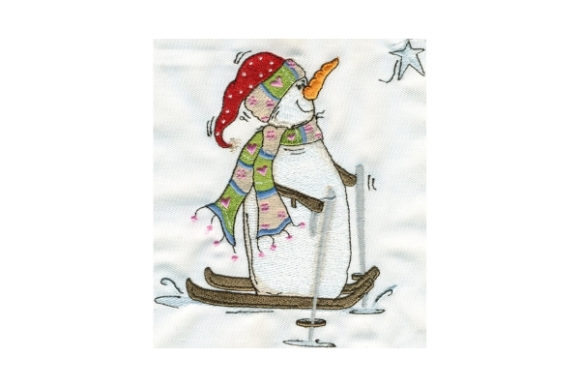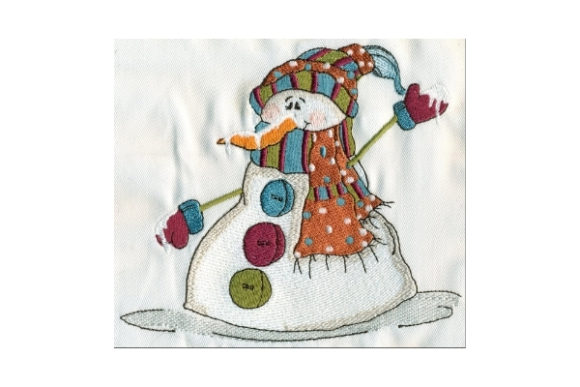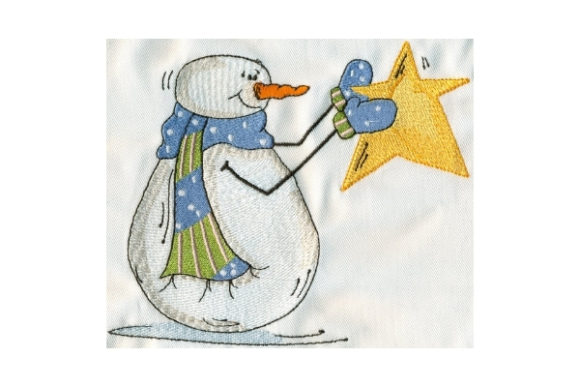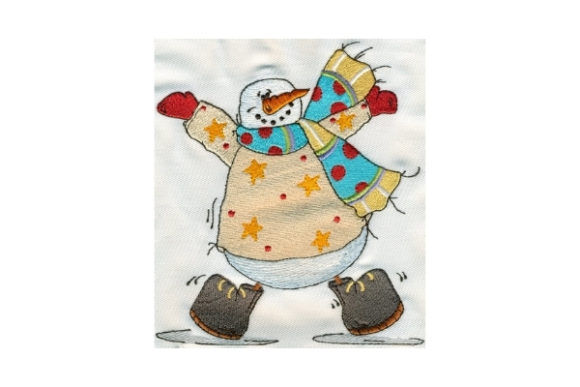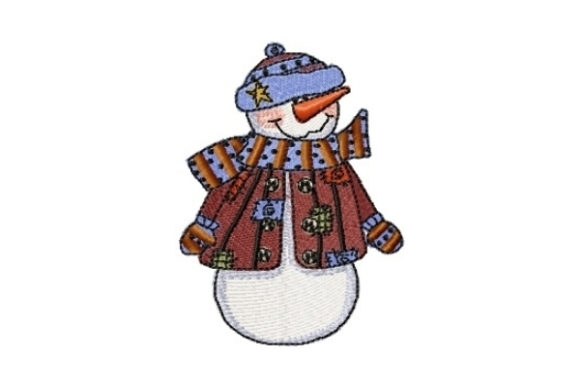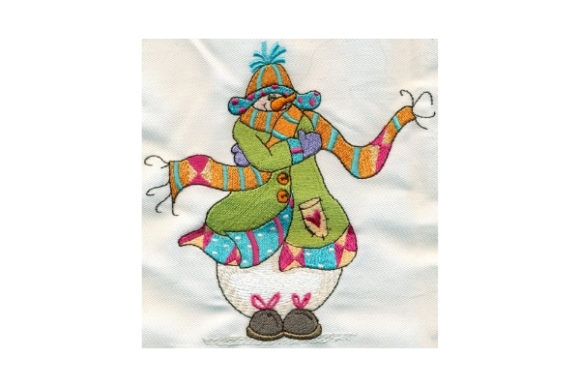
Sassy It's Cold Snowman: A Designer’s Review
As an embroidery designer who has spent years digitizing files for small business merchandise, I approach every new machine embroidery design with a critical eye. It is not enough for a file to look cute on a screen; it must perform under the needle, withstand washing, and elevate the brand identity of the client using it. The Sassy It s Cold Snowman design enters the market with a promise of seasonal charm, but does it hold up for professional commercial embroidery use? After reviewing its potential applications for branded patches, apparel, and boutique goods, I have compiled this assessment for fellow decorators, Etsy sellers, and product designers.
First Impressions and Visual Personality
The title alone suggests a playful, attitude-driven aesthetic. In the world of winter holiday merch, customers are often looking for something that breaks the mold of traditional, serene winter scenes. The Sassy It s Cold Snowman appears to target a demographic that values humor and personality. For a small business owner, this visual personality is a powerful tool. It feels friendly yet bold, making it suitable for brands that want to appear approachable and fun.
However, from a technical standpoint, "sassy" often implies detailed facial expressions or text elements. When evaluating this as a digital embroidery file, one must consider how these details translate to thread. Does the design rely on tiny satin stitches for lettering? Are the snowman’s features defined by dense fill stitches or clean running stitches? These factors determine whether the design will look premium or messy once stitched out. The initial impression is that this design leans towards a decorative, handmade product feel, which is highly valued in the current market for artisanal goods.
Real-World Applications for Small Business Merch
The true test of any embroidery file is its versatility across different substrates. Here is how the Sassy It s Cold Snowman performs in various commercial scenarios:
- Embroidered Patches: This is perhaps the strongest use case. A patch allows for high stitch density without worrying about fabric puckering. If the design has clean outlines, it can be turned into a merrowed-edge patch that serves as a collectible item or a brand badge for jackets.
- Apron Embroidery: For bakeries, florists, and coffee shops, staff uniforms are walking billboards. Placing this design on the chest pocket area of a canvas apron adds character. However, ensure the scale is appropriate so it does not overwhelm the wearer.
- Cap Embroidery: Front-panel caps are tricky. If the Sassy It s Cold Snowman includes wide elements, it may require splitting the design or reducing the size significantly. Curved surfaces distort designs, so a simpler version of the file might be necessary for headwear.
- Tote Bag Design: Canvas tote bags are sturdy and handle embroidery well. This design could serve as a central focal point for holiday gift sets, adding value to a simple cotton bag.
- Custom Apparel: On hoodies or sweatshirts, this design works best as a left-chest accent rather than a full-back graphic, unless the file is specifically scaled for large hoops. This keeps the look professional and wearable beyond the holiday season.
Technical Considerations and Stitch Density
One of the most critical aspects of using any machine embroidery design is understanding stitch density. Winter themes often encourage heavy fills to create a cozy look, but excessive density can cause fabric distortion. If you are stitching the Sassy It s Cold Snowman on lightweight fabrics like performance tees or silk blends, you must check the density settings. High-density areas may require a cut-away stabilizer to prevent pull-out, while woven fabrics like denim or canvas might only need a tear-away.
Thread colors also play a pivotal role. A snowman design typically relies on white, off-white, or light gray threads. These colors show dirt easily and can get lost on light-colored garments. To maintain brand recognition and visual consistency, consider using contrasting thread colors for the outline or text elements. This ensures the design remains visible and legible, even from a distance. Always test your thread color contrast on the actual fabric you intend to use before running a full production batch.
Where to Use Caution
While the Sassy It s Cold Snowman is versatile, it is not without limitations. Small business owners should exercise caution in the following areas:
- Tiny Lettering: If the "sassy" phrase is integrated into the design, verify the minimum stitch height. Text smaller than 0.25 inches often becomes illegible after washing and wear. If the text is too small, consider removing it or using a separate text font for better clarity.
- Dark Uniforms: Stitching a predominantly white snowman on black navy uniforms requires precise tension settings. Any loose threads or bobbin show-through will be glaringly obvious. Use a top-stitching needle and high-quality polyester thread to minimize breakage and maximize sheen.
- Textured Fabric: Fleece and terry cloth are popular for winter items, but they can swallow small details. If the design has fine lines, they may disappear into the pile of the fabric. Use a topping stabilizer to keep the stitches on the surface.
- Frequent Washing: Items like kitchen aprons or children’s clothing undergo rigorous washing cycles. Ensure the design is properly secured with adequate underlay stitches to prevent unraveling over time.
Impact on Brand Identity and Customer Trust
Using a cohesive set of design assets strengthens brand identity. The Sassy It s Cold Snowman can become a signature element for a business during the winter months. When customers see consistent, high-quality embroidery on their purchases, it builds trust. It signals that the business cares about quality and attention to detail. A poorly digitized design, conversely, can cheapen the perceived value of the product.
For Etsy sellers and handmade brands, this design can differentiate products in a saturated market. A unique, personality-driven snowman stands out against generic clip-art styles. It invites engagement, encouraging customers to share photos of their purchases on social media. This organic marketing is invaluable for small businesses looking to grow their audience without significant ad spend.
Practical Designer Notes for Production
Before committing to a large run, follow these steps to ensure success with the Sassy It s Cold Snowman:
- Test in Black and White: Print or stitch the design in monochrome first. This helps you evaluate the contrast and readability without the distraction of color.
- Check Hoop Size Compatibility: The product description mentions multiple embroidery file formats, but it does not specify exact hoop sizes. Always verify that the design fits within your machine’s maximum hoop area. If resizing is necessary, do so in small increments to avoid distorting the stitch angles.
- Create a Printable Mockup: Use digital tools to place the design on images of your actual products. This helps clients visualize the finished product and approve the placement before you start stitching.
- Confirm Commercial Licensing: The description states the file can be used for projects, but always read the specific license terms. Ensure you have the right to sell physical items made with this digital embroidery file. Some licenses restrict the number of units you can produce or prohibit use on certain types of merchandise.
- Inspect Spacing and Jump Stitches: Open the file in your editing software to check for unnecessary jump stitches or trims. Cleaning up the file can reduce production time and thread waste.
In conclusion, the Sassy It s Cold Snowman offers a charming and commercially viable option for winter-themed merchandise. By paying attention to stitch density, fabric choice, and placement, small business owners can leverage this design to create high-value, memorable products. Whether used for a subtle chest logo or a bold patch, it has the potential to enhance brand identity and delight customers during the holiday season. Always prioritize quality control and testing to ensure every stitched item reflects the professionalism of your brand.