Baby Bug Bee: A Designer’s Review for Small Business Merch
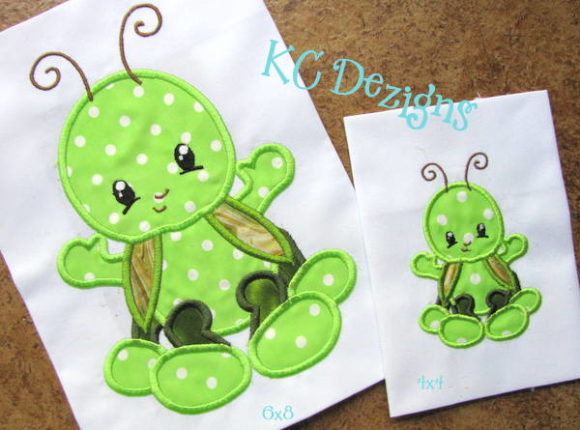
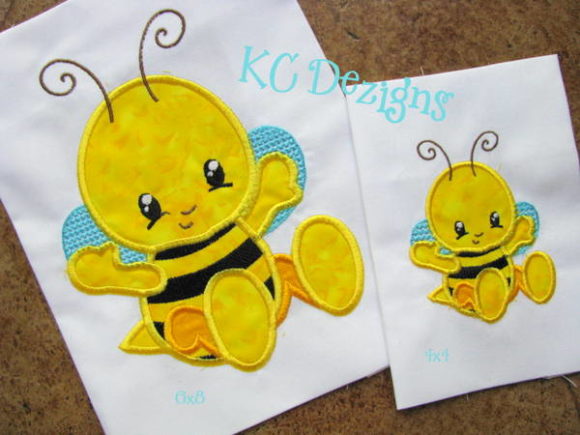
As an embroidery designer who has spent years digitizing files and consulting with small business owners, I approach every new machine embroidery design with a critical eye. It is not enough for a design to simply look cute on a screen; it must perform under the needle, hold up to wear and tear, and elevate the brand identity of the client using it. Recently, I reviewed Baby Bug Bee, a charming digital file intended for items like baby blankets and towels. While its primary description leans toward nursery decor, I wanted to evaluate its potential for broader commercial use. Could this playful insect motif work for boutique merchandise, branded patches, or staff uniforms? Here is my professional assessment.
First Impressions: Visual Personality and Brand Fit
The immediate impression of Baby Bug Bee is one of approachable warmth. The design feels friendly, playful, and distinctly handmade. For businesses in the childcare, education, or artisanal food sectors, this visual personality is a significant asset. It does not scream "corporate rigidness"; instead, it suggests care, creativity, and a human touch. When placed within the Bugs category, it stands out as a soft, inviting interpretation rather than a realistic or aggressive one. This makes it ideal for brands that want to appear accessible and community-focused.
However, for high-end luxury boutiques or industrial service providers, the whimsical nature might feel too casual. The key is alignment. If your brand identity relies on trust, gentleness, and organic values, this design fits seamlessly. If your brand is about precision engineering or stark minimalism, you might need to look elsewhere. The aesthetic is decorative and sweet, which can be a powerful tool for customer engagement if used correctly.
Real-World Applications for Small Business Merch
Let’s move beyond baby towels and consider how Baby Bug Bee functions as a core element of small business merch. I envision several strong use cases for this digital embroidery file:
- Branded Patches: This is perhaps the strongest application. An embroidered patch featuring the bee can be sewn onto denim jackets, canvas tote bags, or even laptop sleeves. Patches allow customers to buy into your brand identity without committing to a full garment.
- Café and Bakery Aprons: For local coffee shops or bakeries, apron embroidery adds a layer of professionalism. Placing Baby Bug Bee on the chest pocket or lower corner of a canvas apron creates a signature look that staff can wear with pride. It signals that the business cares about details.
- Tote Bag Design: Reusable bags are walking billboards. A simple, well-executed bee design on a natural cotton tote appeals to eco-conscious consumers. It transforms a generic bag into a desirable handmade product accessory.
- Cap Embroidery: A small version of the bee on the side or front of a dad hat or baseball cap can serve as a subtle brand mark. It is less intrusive than a large logo but still builds recognition.
These applications turn a simple graphic into tangible design assets that drive revenue. Whether you are an Etsy seller creating custom gifts or a local studio offering corporate swag, versatility is key.
Technical Considerations and Production Challenges
While the concept is strong, the execution requires careful attention to technical details. As a designer, I always advise testing any new embroidery file before committing to a large production run. Here are the specific challenges you might face with Baby Bug Bee:
Stitch Density and Fabric Texture: Baby items often use soft, plush fabrics like minky or terry cloth. These materials require careful stabilization to prevent sinking or puckering. If you plan to use this design on textured fabric, you must use a cut-away stabilizer and possibly a topping sheet to keep the stitches visible. On smoother fabrics like cotton twill for aprons, the design will likely sit flatter, but you must still monitor stitch density to avoid perforating the material.
Size and Detail: The description mentions multiple file formats, which is excellent for flexibility. However, when scaling down for cap embroidery or small patches, fine details can get lost. I recommend embroidering a test sample at your smallest intended size. Check if the outlines remain distinct or if they merge into a blob of thread. If the design relies on tiny lettering or intricate wings, it may not translate well below two inches in width.
Thread Color Contrast: To ensure visibility, especially on dark uniforms or navy blue tote bags, you must choose thread colors that pop. A yellow bee on a black background works, but a pastel bee on a white towel might vanish. Always create a printable mockup or physical sample to verify contrast before selling the finished product.
Enhancing Brand Identity and Customer Trust
Consistency builds trust. When a customer sees the same Baby Bug Bee motif on their purchase receipt, their tote bag, and the staff’s apron, it reinforces brand recognition. This visual consistency makes your business feel established and professional, even if you are a solo entrepreneur. Using high-quality commercial embroidery signals that you invest in your brand, which justifies higher price points for your goods.
Moreover, handmade elements foster emotional connections. In an era of mass production, an embroidered detail feels personal. It suggests that time and skill went into the item. This perception increases the perceived value of your products, whether you are selling quilts, custom apparel, or branded corporate gifts.
Practical Designer Notes for Implementation
Before you launch this design into your product line, follow these practical steps to ensure success:
- Test in Black and White: Before selecting vibrant threads, stitch the design out in black thread on white fabric. This reveals the structural integrity of the digitizing. If it looks messy in monochrome, it will look messy in color.
- Verify Hoop Size: The product description states it comes with multiple file formats, but it does not specify exact dimensions. Check the largest hoop size required and ensure your machine can accommodate it. Also, confirm that the design fits within the standard hoop sizes you use for caps or patches.
- Check Commercial Licensing: This is critical. Ensure that your purchase of the digital embroidery file includes rights for commercial use. Some designers restrict the number of physical items you can sell. Read the license terms carefully to avoid legal issues.
- Create Client Mockups: If you are offering this as a customization option for clients, have high-resolution photos of the design stitched on various items ready. A good printable mockup helps clients visualize the final result and reduces revision requests.
- Compare with Other Assets: Place Baby Bug Bee next to your existing logos and design elements. Does it clash? Does it complement? Ensure it fits within your overall visual ecosystem.
In conclusion, Baby Bug Bee is more than just a cute addition to baby blankets. With thoughtful application, it serves as a versatile tool for building brand identity through custom apparel and accessories. By respecting the technical limits of stitch density and fabric choice, small business owners can leverage this design to create memorable, high-value merchandise that resonates with their audience.