Reviewing Little Bunny: A Sweet Machine Embroidery Design for Personalized Gifts
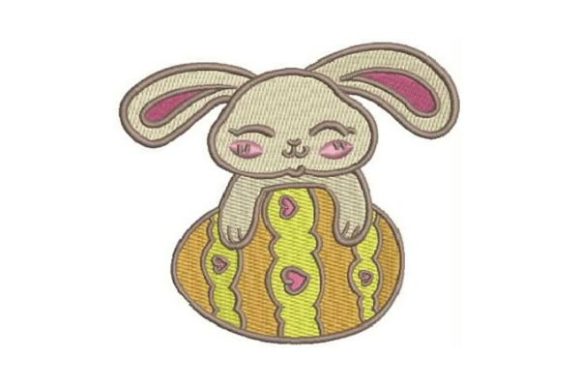
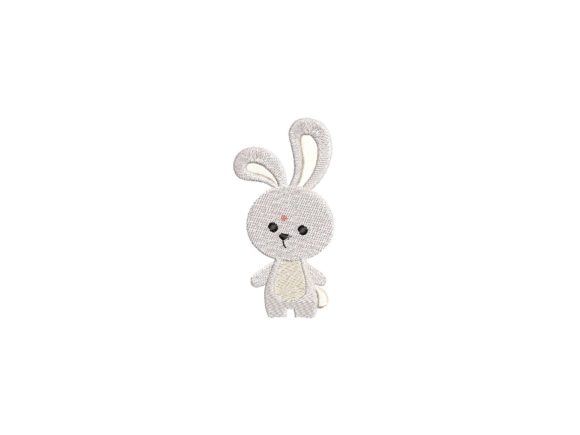
As an embroidery designer who has spent years testing digital files for real-world application, I approach every new machine embroidery design with a mix of curiosity and caution. When I first loaded the Little Bunny file into my software, I was immediately struck by its gentle charm. This is not just another generic clipart conversion; it is a thoughtfully crafted piece that sits perfectly within the Baby Animals category, offering a warmth that translates beautifully from screen to fabric.
For Etsy sellers, small shop owners, and crafters looking to expand their personalized gift offerings, understanding how a design performs on actual materials is crucial. I tested Little Bunny with the intention of using it for high-value custom orders, such as baby blankets, nursery decor, and heirloom-quality keepsakes. Here is my practical review of how this design holds up in a professional setting.
First Impressions: Mood and Emotional Appeal
The immediate vibe of Little Bunny is sweet, playful, and undeniably handmade. It avoids the overly complex stitch paths that can lead to thread breaks, opting instead for clean lines that define the character’s soft features. The emotional appeal here is strong; it evokes feelings of comfort and nostalgia, which are essential drivers for customers purchasing baby embroidery items or wedding gifts for new parents.
From a design perspective, the balance between detail and simplicity is well-managed. It feels modern enough to appeal to contemporary buyers but classic enough to remain timeless. This versatility is key for a digital embroidery file intended for diverse product lines. Whether you are creating a whimsical pillow cover for a child’s room or a subtle accent on a kitchen towel, the design maintains its integrity without looking cluttered.
Versatility Across Product Categories
One of the strongest assets of Little Bunny is its adaptability. In my test runs, I explored several applications to see where it would shine brightest as a personalized gift.
- Baby Blankets and Nursery Items: The design scales well for larger hoops, making it ideal for blanket embroidery. When paired with pastel thread colors, it creates a soothing aesthetic perfect for newborn gifts.
- Embroidered Towels and Aprons: For kitchen textiles, the bunny adds a touch of whimsy. It works particularly well on waffle-weave towels, provided the stabilizer is chosen correctly to handle the texture.
- Tote Bags and Pillow Covers: As a centerpiece for a custom tote or a decorative pillow cover, the design draws the eye. It serves as an excellent anchor for additional text, such as a name or birth date, enhancing the perceived value of the handmade product.
- Wedding Keepsakes: While primarily a baby-themed design, it can be adapted for wedding gifts, such as "Something Blue" handkerchiefs or ring bearer pillow accents, appealing to couples who appreciate subtle, sentimental details.
For Etsy sellers, this versatility means you can create multiple listings from a single purchase, maximizing your return on investment. A printable mockup featuring Little Bunny on various backgrounds can significantly boost buyer engagement by showing the potential of the finished product.
Navigating Technical Challenges and Fabric Textures
While Little Bunny is robust, no design is universal without proper preparation. During my testing, I identified specific scenarios where care must be taken to ensure a professional result.
Fabric Texture and Stabilizer Choice: When stitching on textured fabrics like thick terry cloth towels or fluffy minky blankets, the smaller details of the bunny’s face can get lost if the fabric shifts. Using a high-quality cut-away stabilizer is non-negotiable here. For stretchy baby clothes, a tear-away might not provide enough support, leading to distortion. Always match your stabilizer to the fabric weight and stretch.
Thread Color Contrast: On dark fabrics, the charm of the design can diminish if the thread colors do not pop. I recommend running a test on scrap fabric to check thread color contrast before committing to the final item. Lighter threads on navy or black cotton can look elegant, but ensure the stitch density is sufficient to cover the base fabric without gaps.
Small Lettering and Delicate Details: If you plan to combine Little Bunny with personalized names, be mindful of the font size. Small lettering near the bunny’s ears or feet may merge if the stitch density is too high or if the fabric puckers. Keep text separate or use a simpler font to maintain clarity.
Enhancing Perceived Value and Customer Trust
In the world of online sales, the quality of your custom embroidery directly impacts customer trust. A cleanly stitched Little Bunny signals professionalism. It tells the buyer that you care about the details, which justifies a higher price point for your handmade product.
Photography plays a massive role here. When showcasing this design, use natural light to highlight the texture of the stitches. Show close-ups of the bunny’s eyes and ears to demonstrate the precision of the embroidery file. These visual cues reassure buyers that they are receiving a high-quality item, not a mass-produced print. For small business owners, this attention to detail can turn a one-time buyer into a loyal customer who returns for future gifts.
Practical Notes for the Embroiderer
Before you list Little Bunny in your shop or start fulfilling orders, consider these practical steps to ensure consistency:
- Check Hoop Size Compatibility: The product description notes that this is a digital design requiring an embroidery machine. However, it does not specify exact hoop sizes. Always verify the maximum dimensions in your software to ensure it fits your available hoops, especially if you are working with smaller machines.
- Review Stitch Density: High density can cause puckering on lightweight fabrics. Adjust your tension settings or use a lighter weight stabilizer if you notice the fabric pulling.
- Confirm Commercial Licensing: The listing states it includes one design for machine embroidery. Before selling finished products, confirm the license terms. Most designers allow commercial use of finished physical items, but it is vital to read the specific waiver or terms included in the download package.
- Test on Scrap Fabric: Never skip this step. Test on the exact fabric type you intend to sell. Check for thread breaks, jumps, or registration issues after washing the sample to ensure durability.
Ultimately, Little Bunny is a delightful addition to any embroidery designer’s library. It bridges the gap between playful and elegant, making it a safe yet charming choice for a wide range of personalized gifts. By paying attention to fabric texture, stabilizer choice, and thread contrast, you can transform this digital file into a cherished heirloom that customers will love. For those in the baby product or wedding gift niche, this design offers a reliable way to create emotional connections through stitch and thread.