Reviewing Baby Elephant Sitting for Real Projects
As a designer who spends more time staring at stitch maps than actual fabric, I have learned that the difference between a cute idea and a sellable product lies in execution. When I first loaded the Baby Elephant Sitting file into my editing software, I was not just looking for an adorable animal motif. I was looking for structural integrity, visual balance, and commercial viability. This is a machine embroidery applique design, which immediately changes how we approach production compared to standard fill-stitch motifs. For those of us running small shops or creating personalized gifts, understanding the nuances of this specific design is crucial before committing thread and fabric.
First Impressions and Visual Personality
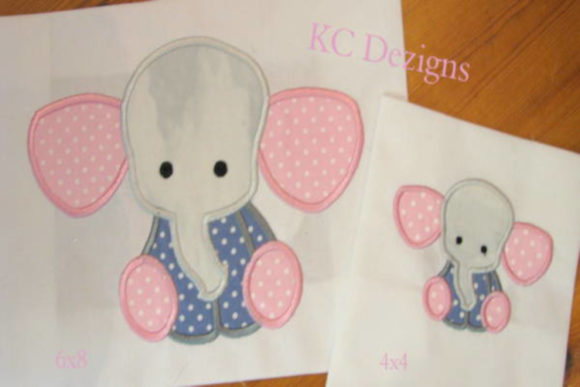
The initial view of Baby Elephant Sitting suggests a gentle, whimsical mood. It fits squarely within the Baby Animals category, but it avoids being overly cartoonish or cluttered. The silhouette is clean, relying on the contrast between the fabric patch and the surrounding stitches to define the shape. This is a significant advantage for clarity. In embroidery, less is often more, especially when dealing with small details on textured surfaces. The sitting posture creates a compact, stable footprint, making it versatile for various placements without dominating the garment or item it adorns.
From a design perspective, the appeal here is in its simplicity. It does not rely on thousands of dense satin stitches to convey form. Instead, it uses the applique technique to let the material do the heavy lifting. This results in a softer hand feel, which is critical for baby items where comfort is paramount. The visual personality is friendly and approachable, likely to resonate well with parents, grandparents, and gift-buyers looking for something sweet but not saccharine.
Real-World Application: The Tote Bag Test
To truly evaluate any embroidery file, I mentally place it on a real product. Let us consider a custom canvas tote bag, a staple for many craft businesses. Canvas has a distinct weave and texture. A dense, high-stitch-count design might pull the fabric or create a stiff, cardboard-like patch. However, because Baby Elephant Sitting is an applique, it integrates beautifully with heavier fabrics. The fabric patch lays flat, and the securing stitches—likely a combination of running stitch and satin stitch borders—anchor it firmly without excessive bulk.
I can easily envision this design working on sweatshirt embroidery as well. On fleece or cotton blends, the applique method prevents the "sinkage" effect where thick stitches disappear into plush fabric. The elephant remains visible and crisp. For Etsy sellers and boutique owners, this versatility means one digital asset can serve multiple product lines, from nursery decor to adult apparel, maximizing the return on investment for your design assets.
Fabric Considerations and Stitch Behavior
While the design is robust, it is not without its constraints. Applique designs require precision in cutting and placement. If you are stitching on stretchy fabric, such as jersey knits for baby onesies, proper stabilization is non-negotiable. The tension from the tack-down stitches can cause puckering if the stabilizer is too light. I recommend using a cut-away stabilizer for garments that will undergo frequent washing, ensuring the finished product maintains its shape over time.
Dark fabrics present another challenge. Since this design relies on contrast, stitching a light-colored elephant on black fabric works well. However, if you choose a dark thread for the outline on a dark fabric, the definition may be lost. Always test your thread colors against your fabric background. A high-contrast border ensures the machine embroidery design pops, regardless of the base material. For thin fabrics, be cautious with the density of the border stitches. Too much saturation can perforate delicate materials like silk or lightweight cotton.
Commercial Viability and Brand Consistency
For the commercial embroidery professional, consistency is key. Baby Elephant Sitting offers a reliable aesthetic that can become part of a brand’s visual identity. Whether used on holiday embroidery projects like Christmas stockings or as a year-round motif for baby showers, the design maintains a professional look. It does not appear amateurish or hastily assembled. This builds customer trust. When a buyer sees clean lines and well-executed applique work, they perceive higher value in the handmade product.
Moreover, the simplicity of the design makes it ideal for printable mockups. Digital product sellers can create compelling previews without worrying about complex shadow effects or unrealistic stitch simulations. This aids in marketing, allowing potential customers to visualize the design on various items quickly. For small shop products, this efficiency translates to faster listing creation and broader market reach.
Practical Designer Notes
Before you run this design on a client’s expensive sweater or a batch of boutique merchandise, follow these practical steps:
- Test on Scrap Fabric: Always stitch a sample on the same type of fabric you intend to use for the final product. This reveals any tension issues or registration errors.
- Check Hoop Size: Confirm that the design fits comfortably within your hoop, leaving enough margin for secure clamping. Do not crowd the edges.
- Review Stitch Density: While applique is generally lighter, check the density of the border stitches. Adjust if necessary to prevent fabric distortion.
- Verify Licensing: Ensure you understand the usage rights. Can you sell finished items? Can you use it in mass production? Clarify this before listing on Etsy or other platforms.
- Inspect Small Details: Zoom in on the design file. Are there any unnecessary jump stitches or loose threads that need trimming? Clean up the file if your software allows.
It is also wise to test the design in black and white mockups. This strips away the distraction of color and lets you judge the structural clarity of the elephant’s form. If it looks good in monochrome, it will look excellent in color. Additionally, consider the end-user experience. If this is going on a baby blanket, ensure all thread ends are secured and trimmed to prevent choking hazards or irritation.
Final Verdict for Makers and Sellers
The Baby Elephant Sitting design is a solid addition to any embroidery library focused on youth and family markets. It balances aesthetic charm with technical practicality. By leveraging the applique technique, it reduces stitch count and production time while enhancing durability and comfort. For the hobbyist, it is a forgiving project that yields impressive results. For the professional, it is a reliable asset that supports brand consistency and product diversity.
Remember, the success of any embroidery project depends not just on the digital file, but on the materials and methods used. Pair this design with quality thread, appropriate stabilizer, and careful attention to fabric texture. When executed with care, Baby Elephant Sitting becomes more than just a pattern; it becomes a cherished detail in a personalized gift or a standout feature in a small business collection. Keep your hoop size in mind, respect the limitations of your fabric, and let the simplicity of the design shine through your craftsmanship.