Reviewing the A for Alabama Applique Design
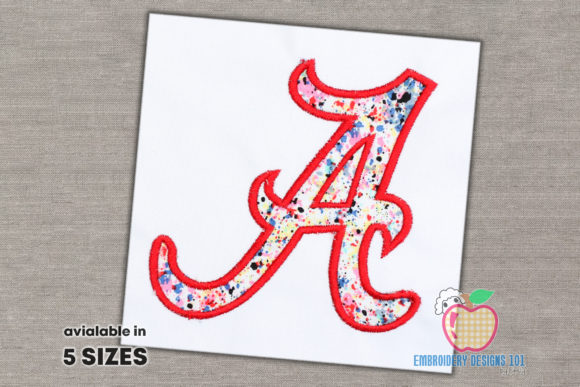
As a designer who spends more time staring at stitch maps than actual fabric, I have learned to be skeptical of generic alphabet sets. Most are too dense, poorly digitized, or lack the personality needed to stand out in a crowded marketplace. However, when I pulled up the A for Alabama Design Applique file for a recent client project, my initial reaction was one of pleasant surprise. This is not just a letter; it is a statement piece that balances regional pride with clean, professional digitizing.
The design immediately struck me as versatile. It carries a mood that is both nostalgic and modern, making it suitable for a wide range of applications. For those of us in the Embroidery industry, finding a design that looks good on both a rustic burlap sack and a high-end cotton tote is rare. This applique achieves that balance by relying on strong shapes rather than excessive detail, which is crucial for maintaining stitching clarity across different fabric textures.
Real-World Application: The Custom Tote Test
To truly evaluate a machine embroidery design, you cannot rely solely on screen previews. I decided to test this design on a heavy-duty canvas tote bag, a staple product for many Etsy sellers and craft business owners. The goal was to create a localized gift item that felt premium rather than souvenir-grade.
The process began with hooping. Since this is an applique design, the workflow involves stitching a placement line, placing the fabric, tacking it down, and then finishing with the border. The steps are separated by color changes, which makes the process intuitive even for beginners. I used a contrasting thread for the placement line to ensure precision, then switched to a matching tone for the final satin stitch border. The result was crisp. The edges were tight, with no puckering, provided I used the correct stabilizer.
This specific scenario highlights why this design works so well for handmade products. Customers often judge quality by the neatness of the edges. The satins stitch used here is dense enough to cover the raw edge of the applique fabric completely but not so dense that it causes the hoop to drag or the fabric to bunch. For a small shop product, this reliability is invaluable.
Visual Appeal and Market Fit
From a branding perspective, the A for Alabama Design Applique offers immediate recognition. It taps into the growing demand for hyper-local personalized gifts. Whether you are selling in the American South or creating items for expats who miss home, the design resonates emotionally. Interestingly, while the theme is specific to Alabama, the aesthetic is clean enough to fit into broader collections. I could easily see this adapted for other regions, though its current iteration captures a specific Southern charm that appeals to buyers looking for authentic custom apparel and decor.
It is worth noting that while the product category is listed under South America in some directories, the design itself is distinctly tied to the US state of Alabama. This might be a categorization error in certain digital marketplaces, so buyers should look past the tag and focus on the visual content. The design’s strength lies in its simplicity, which translates well across various mediums, from sweatshirt embroidery to kitchen textiles.
Technical Considerations for Designers
Before you add this to your library of design assets, there are practical factors to consider. The description notes that the embroidery file comes with multiple formats compatible with various machines. This is essential for commercial embroidery shops that may run a mix of Brother, Janome, or Bernina equipment. However, always verify the specific file type you need before purchasing to avoid conversion issues.
One critical aspect of any applique is the interaction between the base fabric and the applique material. I tested this on a few different materials:
- Cotton Canvas: Performed flawlessly. The stiffness of the canvas supported the weight of the applique without additional backing beyond the standard cut-away stabilizer.
- Jersey Knit: Required a tear-away stabilizer with a fusible top layer to prevent stretching. The design held up well, but care must be taken not to pull the fabric during the tacking stage.
- Terry Cloth: This was tricky. The loops of the towel interfered with the placement line visibility. I recommend using a water-soluble topping for textured fabrics to ensure the running stitch placement lines are visible and accurate.
For those working with dark fabric, pay close attention to your thread colors. A light-colored applique fabric with a dark border creates high contrast, which enhances readability. Conversely, using similar tones can create a subtle, sophisticated look suitable for boutique branding. Always test your color combinations on scrap fabric first. What looks good on a monitor may lack definition once stitched out.
Navigating Limitations and Best Practices
While the design is robust, it is not without limitations. The size of the letter "A" means it may not scale down well for tiny items like baby socks or small patches without losing detail. If you are creating baby embroidery items, ensure you check the minimum hoop size requirements. Scaling down too much can cause the satin stitches to merge, resulting in a blob rather than a letter.
Additionally, consider the end-use of the product. Items that undergo frequent washing, such as tea towels or aprons, require secure anchoring. Ensure your applique fabric is pre-washed to prevent shrinkage that could pull away from the stitches later. For holiday embroidery projects, such as Christmas stockings or Thanksgiving table runners, this design adds a festive, homey touch that buyers appreciate.
For digital product sellers offering printable mockups, this design photographs beautifully. Its clean lines and distinct shape make it easy to showcase in lifestyle images. Whether you are creating printable mockup scenes for Etsy listings or preparing physical samples for craft fairs, the visual impact is strong.
Final Verdict for Craft Entrepreneurs
The A for Alabama Design Applique is a solid addition to any designer’s toolkit. It is not overly complex, which keeps machine run-times reasonable, yet it offers enough visual interest to justify a higher price point for finished goods. For makers and creative entrepreneurs, it represents a low-risk, high-reward asset. It works well for embroidered patch creations, provided the backing is stable, and it shines on larger surfaces like tote bag designs and pillow covers.
Remember to confirm licensing terms before selling finished items. While many files allow for commercial use of the physical product, restrictions may apply to mass production or digital redistribution. Always read the fine print associated with the digital embroidery file you purchase.
In conclusion, if you are looking to expand your catalog of regional or alphabet-based designs, this applique delivers on promise. It respects the mechanics of the machine while appealing to the heart of the customer. It is a practical, professional choice for anyone serious about building a reputable brand in the handmade space.