Reviewing This is My Jam Applique for Real Projects
As an embroidery designer who spends countless hours digitizing and testing files, I have learned that not every machine embroidery design is created equal. Some are technically sound but lack personality, while others are charming but poorly constructed for actual stitching. Recently, I came across This is My Jam Applique on Creative Fabrica and decided to put it through its paces. For those of us running small businesses or selling handmade goods, finding reliable design assets is crucial. This review breaks down whether this specific file is worth your time and thread.
First Impressions and Visual Appeal
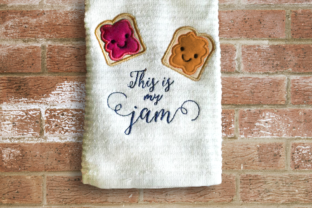
The first thing that caught my eye was the playful nature of the concept. The design features two pieces of bread with jam or peanut butter, accompanied by the text “This is my jam” below. It is a clever pun that works perfectly for food lovers, musicians, or anyone with a strong passion. Visually, the applique design approach suggests a clean, modern look that avoids the heaviness of full fill stitches. This is important because heavy stitching can distort fabric, especially on lighter materials like cotton tote bags or baby onesies.
The mood is casual and fun, making it an excellent candidate for personalized gifts. Unlike stiff, formal motifs, this design invites interaction. It feels right at home on a kitchen towel or a casual sweatshirt. When evaluating any digital embroidery file, I always look for balance between text and imagery. Here, the text supports the graphic without overwhelming it, which is a good sign for readability after stitching.
Practical Application in Commercial Embroidery
For Etsy sellers and boutique owners, versatility is key. I considered how This is My Jam Applique would perform across various products. Because it is an applique, it requires fabric placement, which adds a layer of craftsmanship to the finished product. This tactile element often increases perceived value for customers. Here is how I see it fitting into different product lines:
- Custom Apparel: The design scales well for chest logos on t-shirts or larger statements on sweatshirts. The sweatshirt embroidery market is huge, and this quirky design fits the current trend of comfortable, expressive loungewear.
- Kitchen and Home Decor: Given the Food category, this is a natural fit for aprons and kitchen towels. An embroidered apron makes a fantastic housewarming gift. The applique technique holds up well to washing if secured properly, which is essential for items that see frequent use.
- Tote Bag Design: Canvas totes are sturdy enough to handle the weight of applique fabric. This design could easily become a bestseller for local farmers' markets or grocery runs, appealing to eco-conscious shoppers who love a good pun.
- Embroidered Patch: If you sell patches, this design is ideal. You can stitch it out on twill or felt, cut it out, and sell it as a standalone accessory. Patches are low-risk inventory for craft fair vendors.
Technical Considerations for Stitching Success
While the design looks promising, technical execution determines whether a project succeeds or fails. The product description notes that the zip file includes nine formats and four hoop sizes. This variety is standard for Creative Fabrica embroidery products and ensures compatibility with most major machine brands. However, before loading the file, there are critical steps to take.
First, always check the stitch density. Applique designs generally have lower density than full-fill designs because the fabric provides the color and texture. This is beneficial for stretchy fabrics like jersey knits used in baby items or caps. High-density stitching on stretchy material causes puckering, so the applique method here is a smart choice for versatile use.
Second, consider the text size. The phrase “This is my jam” sits below the bread graphic. In smaller hoop sizes, ensure the lettering remains legible. Tiny serifs or thin running stitch outlines can get lost if the thread color does not contrast sufficiently with the background fabric. I recommend testing the smallest hoop size on a scrap piece of your intended material to verify clarity.
Third, fabric selection matters. For dark fabrics, you may need to adjust your thread colors to maintain visibility. A bright yellow thread for the "jam" might pop beautifully on navy blue, but could disappear on black if the lighting is poor. Always create a printable mockup or digital simulation to visualize color combinations before committing to expensive thread cones.
Stabilizer and Hoop Selection
Proper stabilization is non-negotiable for applique work. Since you are cutting fabric and stitching over it, the tension changes during the process. I recommend using a medium-weight cut-away stabilizer for garments that will be washed frequently, such as t-shirts and baby blankets. For woven items like tote bags or pillow covers, a tear-away stabilizer usually suffices and is easier to remove from the back.
When working on curved surfaces like caps, the four included hoop sizes are a blessing. You must choose the size that fits your cap frame securely. If the hoop is too large, the fabric will shift; too small, and you risk distorting the design. Always baste the applique fabric in place before starting the final satin or fill stitches to prevent shifting.
Enhancing Product Value and Brand Consistency
Using high-quality files like This is My Jam Applique contributes to brand consistency. Customers associate clean, well-stitched items with professionalism. A messy applique with loose threads or misaligned fabric lowers trust. By taking the time to trim excess fabric closely and press the finished item, you elevate the handmade product from a simple craft to a boutique-quality item.
Photography also plays a role. The textured look of applique photographs better than flat printing. The shadows created by the fabric layers add depth to your product images, making them more engaging on social media and online marketplaces. This visual appeal can drive higher engagement and conversion rates for your shop.
Final Verdict and Licensing Notes
Before selling any commercial embroidery items, always review the license terms on the Creative Fabrica product page. Most designs on the platform come with a commercial use license, but it is vital to confirm this for your specific peace of mind. The description mentions that steps are included, which suggests there may be instructions for the applique process, a helpful feature for beginners.
In conclusion, This is My Jam Applique is a solid addition to any embroidery designer’s library. Its versatility across apparel, home decor, and accessories makes it a valuable asset. By paying attention to stabilizer choice, thread contrast, and hoop size, you can produce high-quality items that resonate with customers. Whether you are creating a personalized gift for a friend or stocking your Etsy shop for the holiday season, this design offers the charm and technical feasibility needed for successful projects.
Remember to test on scrap fabric first, inspect small details after stitching, and enjoy the creative process. Happy stitching!